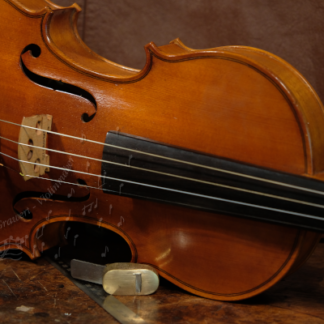
7 years ago in Mission Beach

…the next day

7 years ago in Mission Beach
…the next day
Another one of my current projects… a full size studio cello nearly ready to be varnished. Look how well this plate is balanced. this cello will have a beautiful song
After closing the cello the cello was ready to have the neck fitted. I was so lost in the work on this cello that I totally forgot to take photos . It is very important that the neck is in the right position, in the right angle overlapping the top plate the perfect amount to create a well balanced system of tension within the instrument.
The neck was fitted, glued and now I am nearly finished shaping the neck so it is very comfortable for the hands of the cellist guiding its fingers into the right position.
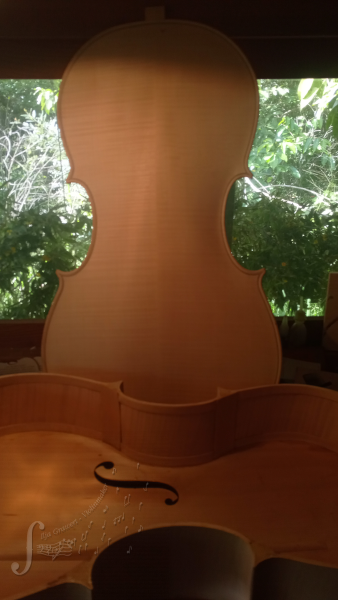
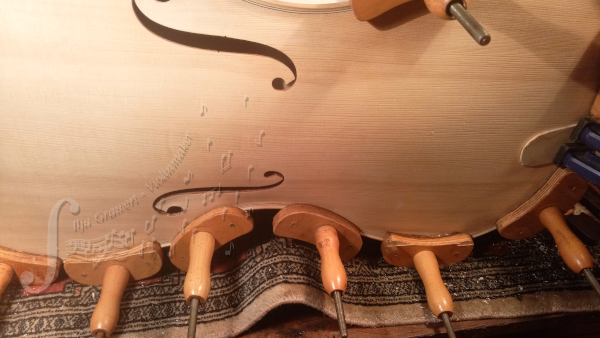


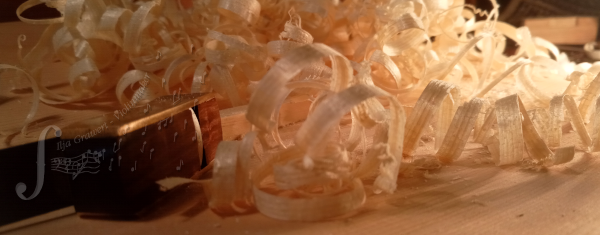
So the bass bar is glued as you saw in the last update. I removed the clamps grabbed my little thumb plane and started shaping the bass bar. It has to be supportive of the pressure onto the top plat from the strings and bridge as well as being able to spread the vibrations on the bottom strings as fast as possible over the whole plate. That way you get this beautiful deep growly sound we love with cellos. When done I glued the top plate onto the sides and started working on the back plate. I make use of some thickness templates which are only a guideline creating the right thickness and balance.
Shaving the inside of the top plate, fitting & shaping the bass bar & thicknessing the back plate accurately is very important in building a cello. This is one of the most essential parts in creating the beautiful sound which will eventual make people dance, burst into tears of beauty or just listen to the song being carried through the concert hall. This process transforms the cello from a furniture to a musical instrument… which then will be loved by the musician its companion for life.
Each cello carries a song of its own, telling a story of its proportions, the tools and the hands shaping it from a block of wood into this beautiful creation of sound.


I finished fitting the bass bar and glued it to the inner surface of the top plate in its proper position. Gluing is usually a high stress situation as the glues we use are one hundred percent natural hide glue. It needs to be heated and after application the clamps will have to be put in place in a very short time frame as this kind of glue set very fast (turn gelatin like) specially when it is cold. The drying & clamping time should always be 12 hours.

Have a look at the video clip painting of my latest Studio violin. It is so much fun painting and varnishing
I have a little clip on YouTube on how to keep your bridge straight. There are many reasons why bridges can warp.
The best way of preventing it to warp is always keep your cello bridge stand straight as shown in the video
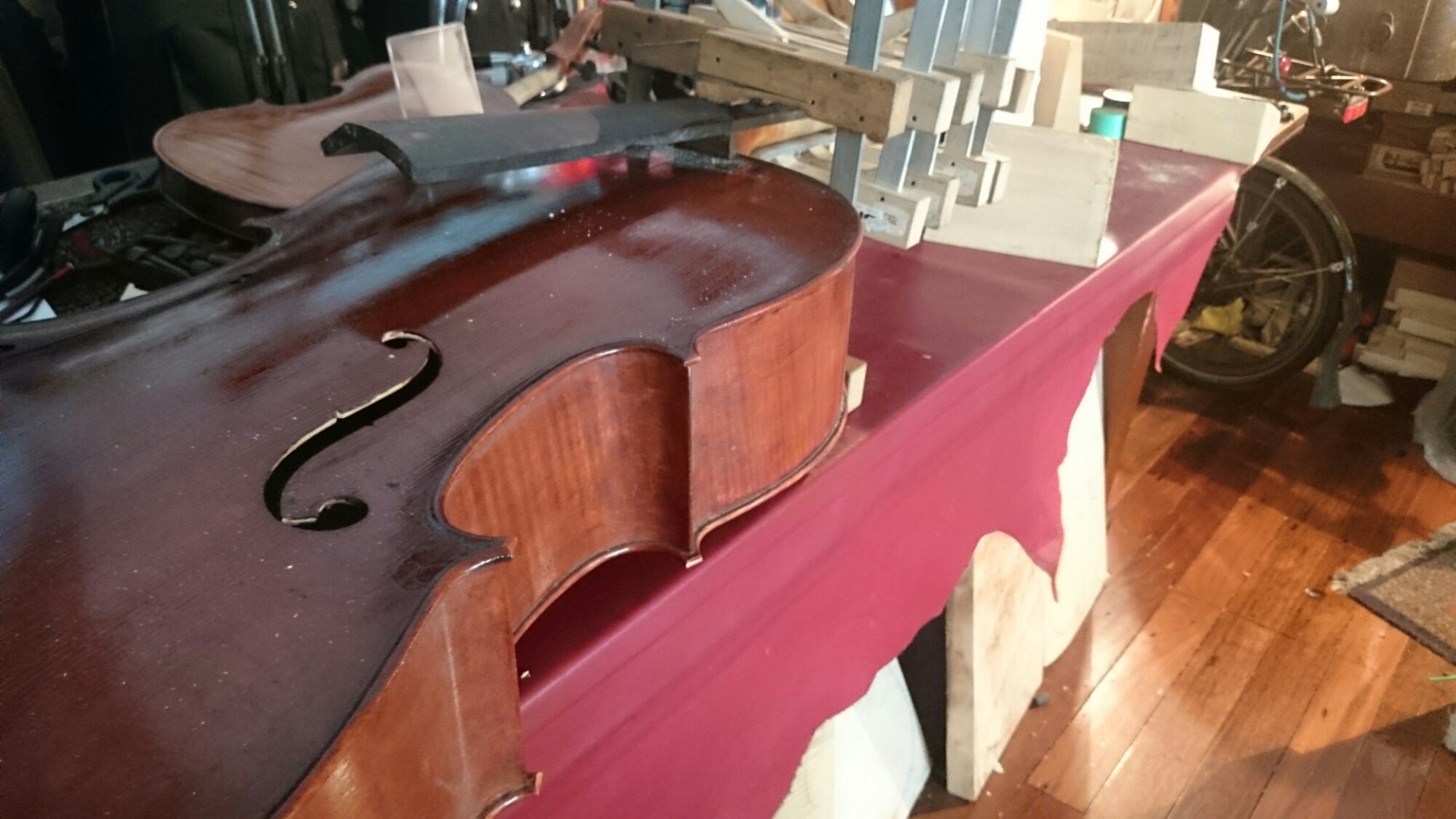
I finally got around to prepare and glue the fingerboard on my new studio cello.
It will be finished in two weeks. I can’t wait to hear it…